
Thailand is one of Southeast Asia’s most established property markets for international buyers, combining competitive entry pricing, strong rental demand driven by over 33 million annual visitors, and a lifestyle quality that few markets in the region can match. For cross-border investors comparing options across Asia and the Middle East, Thailand offers a distinct proposition – not a high-growth capital play like Dubai, but a balanced market where lifestyle use, rental income, and long-term positioning can work together.
Foreign buyers can own condominium units freehold under Thai law, subject to a 49% foreign ownership quota per building. Land and villa ownership requires leasehold or corporate structures, each with different risk profiles and practical implications. Understanding these distinctions is essential before committing capital. Bangkok, Phuket, Koh Samui, Chiang Mai, Pattaya, and Hua Hin each serve different buyer profiles and investment objectives – from urban rental yield in Bangkok to lifestyle-driven appreciation in the resort markets.
LION & LAND approaches Thailand as a selective market rather than a volume opportunity. Through our partnership with Sansiri, one of Thailand’s leading listed developers, we provide clients with access to vetted residential product across Bangkok and key resort locations. Our advisory covers market comparison, ownership structure guidance, and buyer-fit assessment – helping clients determine whether Thailand is the right market for their specific goals, risk tolerance, and cross-border strategy.
The right Thailand purchase depends less on broad market enthusiasm and more on careful location selection, developer quality, ownership clarity, and realistic exit planning. We help clients make that assessment with the same structured, risk-aware approach we apply across all LION & LAND markets.
Thailand’s property market has stabilised following the post-COVID recovery period, with tourism arrivals returning to approximately 33 million visitors in 2025. This recovery has strengthened rental markets in Bangkok and the major resort areas, particularly for well-located condominium product with professional management. Prime Bangkok condominiums have shown annual price growth of 3-6%, though performance varies significantly by submarket and product type.
Infrastructure development is reshaping several corridors. The dual-track railway connecting Bangkok to Hua Hin, motorway expansion projects, and the continued development around U-Tapao airport are creating new investment dynamics in areas previously considered secondary. Hua Hin in particular is emerging as an infrastructure-led growth market, with pricing still well below established resort areas like Phuket.
For buyers considering Thailand, current timing favours selective entry rather than broad market exposure. The strongest opportunities tend to sit in locations where developer quality, rental demand, and ownership structure are clearly defensible – not in speculative segments driven by projected infrastructure timelines alone.
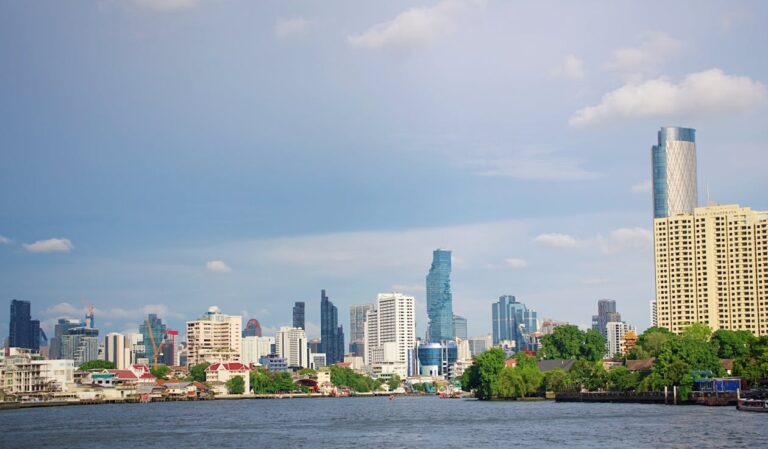
Prime condominiums, luxury apartments, branded residences
City-focused investor seeking yield plus capital growth. Professionals and founders wanting a Bangkok base. Portfolio diversifiers adding Asian capital city exposure.
Oversupply in lower segments. Foreign quota saturation in popular buildings. Traffic and infrastructure challenges in some areas.

Resort condos, pool villas (leasehold), managed holiday properties
Income-focused investor targeting tourism yields. Lifestyle buyer wanting personal use with rental income. Retirement buyer seeking tropical island base with established international community.
Seasonal occupancy variance. Leasehold complexity for villas. Quality variance between developers. Distance from Bangkok for management oversight.

Luxury villas (leasehold), boutique condos, managed resort properties
Lifestyle-first buyer seeking island living with boutique character. Long-stay buyer wanting a quieter alternative to Phuket. Retirement buyer attracted to smaller, more personal community.
Higher seasonality than Phuket. More limited resale market. Infrastructure less developed. Fewer quality developer options. Leasehold structures dominant.

Condominiums, serviced apartments, co-living developments
Digital nomad or remote worker wanting an affordable base. Retirement buyer seeking low cost of living with mountain lifestyle. Value investor targeting lowest entry prices in quality Thai markets.
Smaller and less liquid market. Lower capital appreciation than Bangkok or Phuket. Seasonal air quality issues (burning season). More limited international buyer pool for resale.
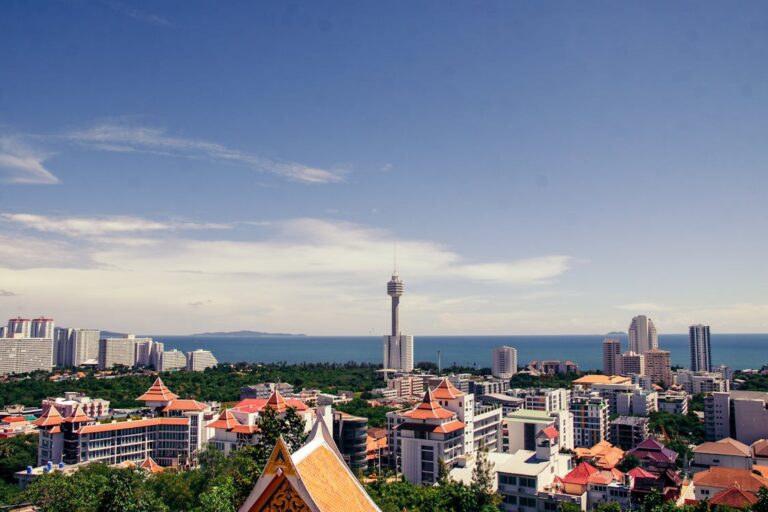
Beachfront condos, resort apartments, managed pool villas
Budget-conscious investor seeking beach market yields. Short-trip buyer wanting easy access from Bangkok (90 min drive). Investor targeting the EEC (Eastern Economic Corridor) growth story.
Significant oversupply in lower segments. Reputation challenges affecting premium positioning. Quality variance is extreme between developments. Resale can be difficult in oversupplied buildings.

Beachfront condominiums, pool villas, branded residences, retirement-focused developments
Infrastructure-aware investor seeking early-stage capital appreciation. Retirement buyer wanting beachfront living near Bangkok. Long-stay buyer attracted to dual-track rail connectivity and airport proximity. Value investor comparing against Phuket and Pattaya pricing.
Infrastructure project delays possible. Market still maturing compared to established resort areas. Limited international buyer awareness. Some oversupply risk in lower segments if speculative building accelerates ahead of demand.
Unlike markets such as the UAE or Greece, Thailand does not offer residency or permanent settlement rights through property purchase alone. Visa and long-stay options exist independently of real estate transactions and should be evaluated on their own terms rather than as investment incentives.
The Thailand Elite Visa (Thailand Privilege) provides long-term multiple-entry access for membership fees ranging from THB 650,000 to THB 5,000,000, covering periods of 5 to 20 years. The Long-Term Resident (LTR) Visa targets high-net-worth individuals and skilled professionals, with qualifying criteria based on assets and income rather than property ownership. The Retirement Visa (O-A/O-X) serves buyers aged 50 and above who meet specific financial thresholds. Each programme carries different conditions, reporting obligations, and renewal requirements.
LION & LAND does not provide immigration advice. We help clients understand how visa options relate to their broader property and lifestyle strategy, and we coordinate with qualified Thai legal professionals where specialist guidance is needed. Current visa terms should always be verified independently before making any decisions based on programme eligibility.
A focused conversation about whether this market fits your goals, timeline, and risk profile.