
Dubai matters for cross-border investors because it sits at a rare intersection: income-efficient property, internationally recognized residency, and a regulatory environment specifically designed to attract foreign capital. Unlike more established Western markets where yields have compressed and tax burdens have risen, Dubai offers a fundamentally different return profile.
The city has moved well beyond its 2008-era reputation for speculative excess. Today’s market is underpinned by a diversified economy, sustained population growth exceeding 200,000 new residents annually, world-class infrastructure, and a legal framework that gives foreign buyers full freehold ownership in designated zones. The absence of income and capital gains tax is a structural feature of the UAE’s economic model that directly impacts net investment returns.
For buyers comparing Dubai against London, Cyprus, Greece, or other cross-border options, the question is not whether Dubai offers strong returns on paper. The question is whether the specific segment, timing, and structure align with individual goals, risk tolerance, and long-term plans. That is where advisory value matters most.
Dubai’s property cycle has entered a moderation phase after 22 consecutive quarters of price growth. Annual appreciation is settling to 5-8%, down from the 15-20% peaks of 2023-2024. Transaction volumes remain at record levels (270,000+ deals in 2025), but the growth rate is slowing – a sign of market maturity, not decline.
Entry timing assessment: The current window favours strategic buyers over speculative ones. Buyers who target the right segment, structure, and price point can still capture 6-8% gross yields with Golden Visa eligibility. Buyers chasing capital appreciation alone should be cautious – the easy gains of the post-COVID recovery cycle have largely been captured.
Risk window: Watch for segment-specific oversupply in studio and one-bedroom inventory (JVC, Dubai South, Dubailand) through 2026-2027. Premium and family-sized units in established communities carry lower delivery risk and stronger tenant demand.

Premium villas and apartments
UK families repositioning capital, Indian founders seeking family base and balance-sheet asset
Higher entry ticket than mid-market areas; weaker secondary stock can underperform
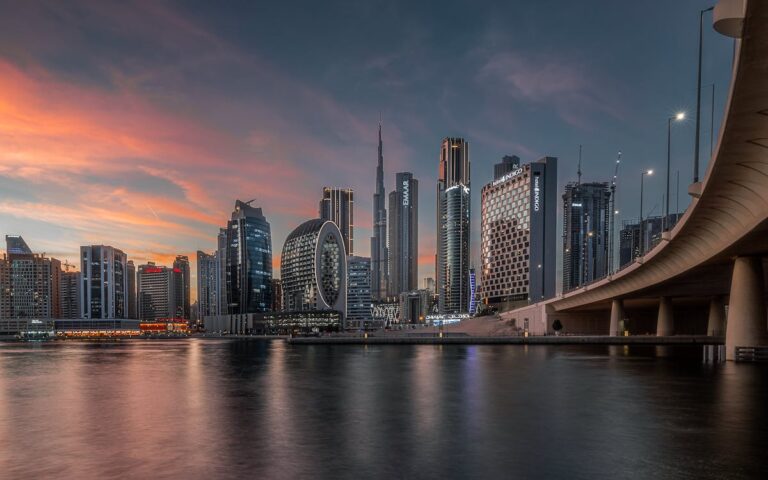
Central apartments, canal-facing units, branded residences
India-to-Dubai investors wanting central recognisability and liquidity; UK investors seeking income-efficient alternative to London
Wide quality spread between buildings; service charges and sub-location matter significantly

Studios, 1-bed and 2-bed apartments
India-to-Dubai first-time investors prioritizing cash flow; UK landlords comparing Dubai net yield to UK net landlord economics
High supply pipeline in 2026; building-level selection critical - weak developers and undifferentiated stock exposed
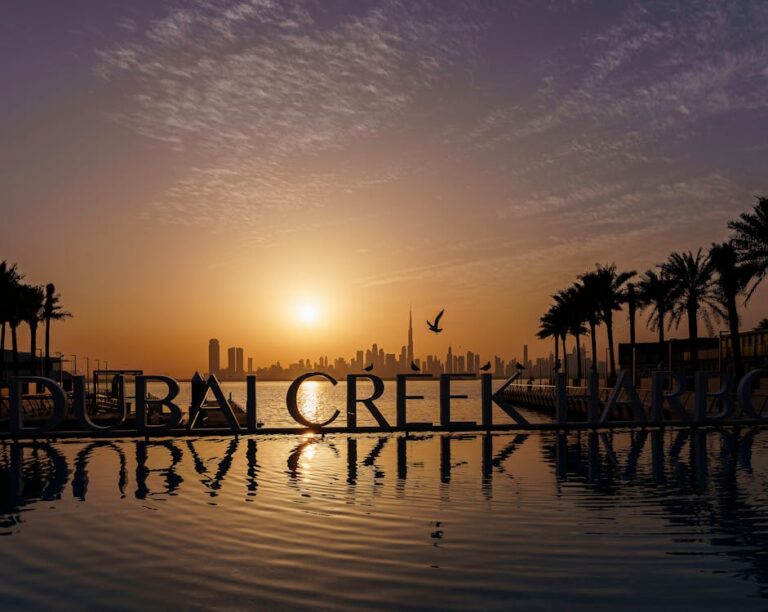
Master-planned apartments and premium waterfront units
Patient India-to-Dubai investors wanting institutional-grade master planning and long-term hold quality; UK-to-Dubai buyers seeking deliberate master plan over speculative towers
Not suited for yield-first investors; requires medium-term conviction and patience

Ultra-premium apartments, penthouses, branded residences, signature villas
Higher-net-worth Indian buyers, family offices, UK wealth holders seeking prestige coastal asset, end-users wanting branded living
Wide performance spread between sub-locations and product types; premium entry price limits exit liquidity for some units; not a generic luxury buy - requires selectivity

Villas and townhouses in master-planned gated communities
UK-to-Dubai relocating families, Indian buyers with family optionality strategy, end-users seeking school proximity and community lifestyle
Lower rental yields vs apartments; longer holding periods to realize capital gains; secondary market liquidity slower for larger villas; new supply from Arabian Ranches III could dilute pricing in older phases
You want a fully hands-off investment with no active management decisions – Dubai property requires ongoing awareness of service charges, tenancy cycles and regulatory updates.
You are primarily seeking EU residency or Schengen access – Dubai offers no European legal pathway and is not a substitute for Greek or Cypriot residency routes.
You are uncomfortable with off-plan risk – much of Dubai’s new supply involves construction-phase exposure with developer-dependent timelines.
You require stable currency alignment with GBP, EUR or INR – the USD peg creates real FX volatility for non-dollar investors.
You expect guaranteed capital appreciation – Dubai has experienced meaningful corrections before and is not immune to cyclical downturns.
Dubai vs Greece: Dubai offers higher rental yields and zero tax, but no EU access. Greece provides a European residency route at a lower entry point with lifestyle optionality but lower yields.
Dubai vs Cyprus: Cyprus offers EU permanent residency and a slower, more stable market. Dubai offers faster capital growth potential and a more liquid resale environment, but without European legal framework protections.
Dubai vs UK: The UK offers regulatory certainty and deep liquidity but significantly higher tax burdens. Dubai delivers better net yields and residency benefits but in a younger regulatory environment.
Dubai vs Abu Dhabi: Abu Dhabi is earlier in its cycle with lower entry prices in selected zones. Dubai has stronger rental demand, more established infrastructure, and deeper resale liquidity.
You want a fully hands-off investment with no active management decisions – Dubai property requires ongoing awareness of service charges, tenancy cycles and regulatory updates.
You are primarily seeking EU residency or Schengen access – Dubai offers no European legal pathway and is not a substitute for Greek or Cypriot residency routes.
You are uncomfortable with off-plan risk – much of Dubai’s new supply involves construction-phase exposure with developer-dependent timelines.
You require stable currency alignment with GBP, EUR or INR – the USD peg creates real FX volatility for non-dollar investors.
You expect guaranteed capital appreciation – Dubai has experienced meaningful corrections before and is not immune to cyclical downturns.
Dubai offers one of the most accessible property-to-residency pathways globally. The UAE Golden Visa programme grants a 10-year renewable residence visa to property investors who purchase real estate valued at AED 2 million (approximately USD 545,000) or above.
Key programme details (April 2026): Mortgage-financed purchases now qualify (since February 2026). Off-plan purchases eligible provided AED 2 million has been paid. Multiple properties can be combined to meet the threshold. Spouse and children are included. No minimum stay requirement. Renewable indefinitely while property is retained.
Cross-border context: The Golden Visa provides UAE residency, not citizenship. It does not grant EU access or Schengen travel rights. For buyers who need European mobility, Greece or Cyprus may be more appropriate – potentially alongside a Dubai holding for yield and tax efficiency.
A focused conversation about whether this market fits your goals, timeline, and risk profile.